



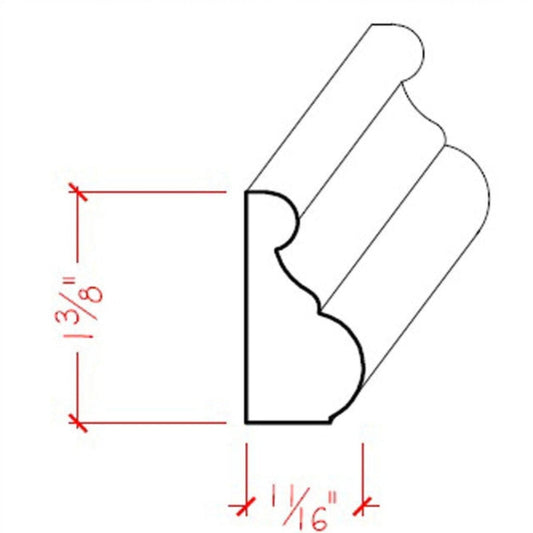
Start with the profile
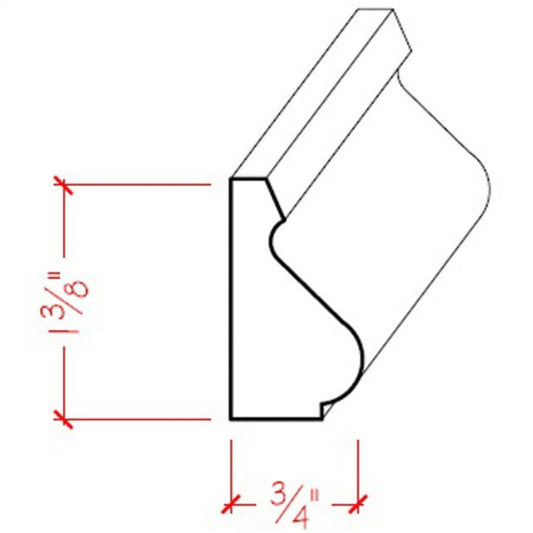
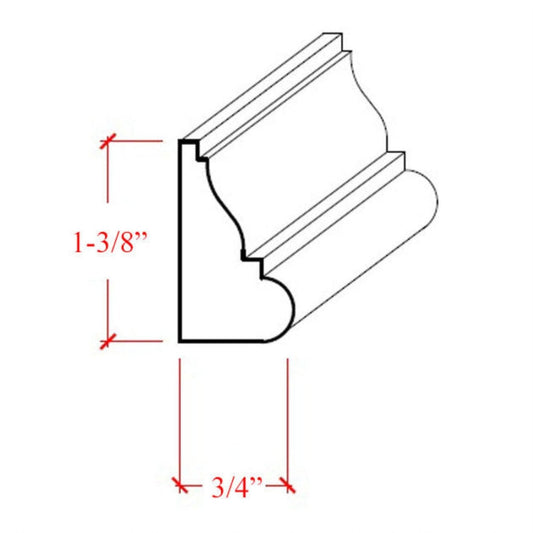
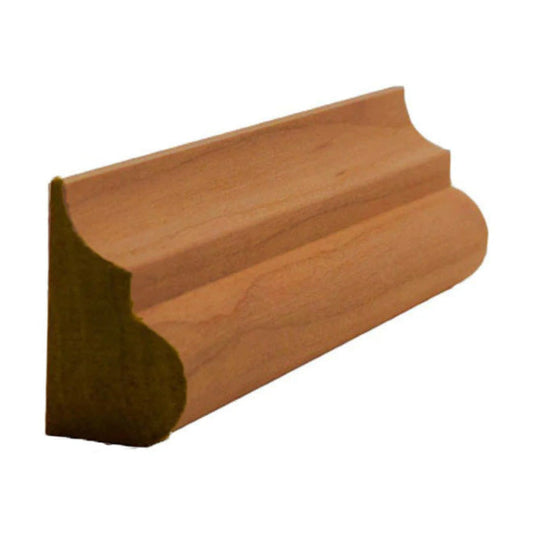
Compare the curves and edge detail of each cap with your baseboard and the surrounding trim. Colonial, traditional, and nose-and-cove profiles create different transitions along the top of the assembly.
Architectural details | The Carpentry Shop Co.
Add a finishing profile along the top of your baseboard with unfinished wood cap moulding. Explore colonial, traditional, and nose-and-cove details, then compare dimensions, wood species, and available lengths.
Samples and moulding lengths are priced separately below. Choose your wood species and length on the product page.
Compare the curves and edge detail of each cap with your baseboard and the surrounding trim. Colonial, traditional, and nose-and-cove profiles create different transitions along the top of the assembly.
Review the listed height and thickness, plus any profile drawing provided. Check how the cap meets your baseboard and adjoining casing or blocks before choosing; profiles are not universally interchangeable.
Measure your runs and allow for corners, joints, and cuts. Review the wood species and length options on each product page. A five-inch sample helps you assess the unfinished material and profile before ordering lengths.