

What Materials Can Be Used for Creating Unique Coffee Tables?
Creating a unique coffee table is a great way to express your personal style and enhance your living space. The choice of materials plays a crucial role in the design and functionality of your coffee table. In this FAQ, we’ll explore various materials that can be used to create stunning coffee tables, offering you inspiration and ideas for your next DIY project or furniture purchase.
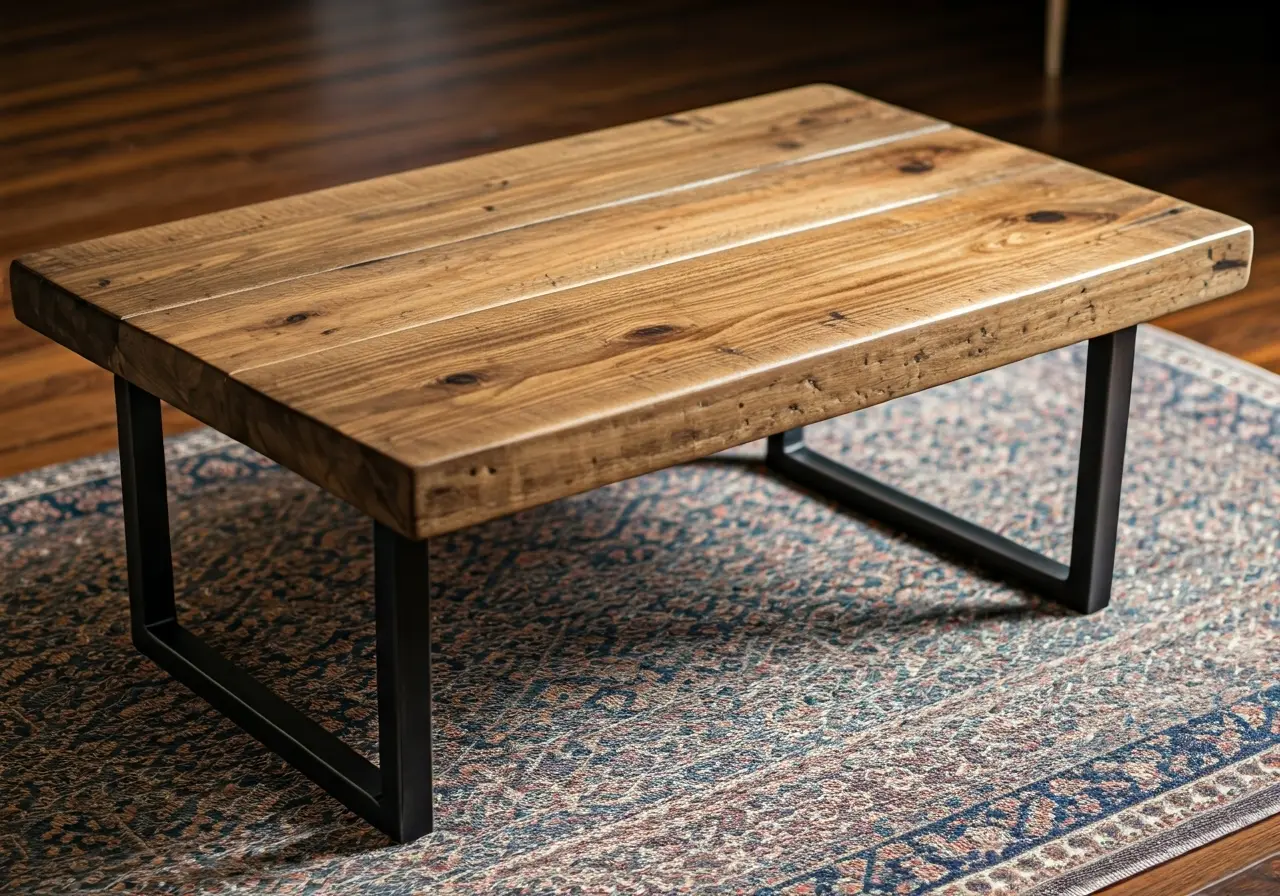
Step 1: Explore Wooden Options
Wood is a classic choice for coffee tables, with options ranging from sturdy hardwoods to lightweight softwoods. Each type brings its own texture and color, making it easy to find the perfect fit for your decor.
When it comes to wooden coffee tables, popular choices include oak, maple, and walnut. These hardwoods are not only beautiful but also highly durable, ensuring that your coffee table lasts for years. A walnut table, for instance, can add a rich, deep tone to any space.
Softwoods like pine can offer a more rustic charm. They are generally more affordable and can be stained or painted to match your style. Whether you go for a distressed finish or a bright and modern look, softwoods allow for great customization.
Moreover, adding a live-edge design to your wooden coffee table can create a stunning focal point. This unique style preserves the natural shape of the wood, highlighting its organic beauty and bringing a touch of nature indoors.
Step 2: Consider Metal Designs
Metal coffee tables offer a sleek and modern look. From steel to brass, metal can add sophistication and is often used in combination with other materials.
One of the great things about metal tables is their versatility. They can be found in a range of finishes, from shiny chrome to matte black. This makes it easy to integrate a metal table into various design aesthetics, whether you prefer industrial, minimalist, or eclectic styles.
Additionally, metal bases paired with a wooden or glass top can create a striking contrast. The sturdiness of the metal can offer essential support, while the top material brings warmth or lightness.
Consider also oxidized metals for a rustic appeal. Rusted finishes can add character and uniqueness to your coffee table, making it a conversation starter.
Step 3: Incorporate Glass Elements
Glass coffee tables can create an open and airy feel in your space. They work well in smaller rooms and can be paired with various materials for added stability and style.
Clear glass tops can visually expand a room, allowing you to display beautiful decorative elements underneath, such as books, plants, or art. This makes glass tables not just functional, but also an artful canvas for your creativity.
Tempered glass is an excellent choice for safety and durability. It withstands scratches and impacts, ensuring your table remains pristine even in a busy living area.
You can also find glass tables with unique shapes and features, like rounded edges or intricate bases that can add style and sophistication to your decor. The possibilities are endless!
Step 4: Use Stone for a Rustic Touch
Stone coffee tables, such as those made from marble or granite, add durability and an organic feel. They can serve as statement pieces and bring a unique elegance to any room.
Marble, with its beautiful veining and polished surface, adds a luxurious touch. It pairs beautifully with metal or wood, giving you diverse design options. Whether you go for a sleek modern design or a more traditional look, marble is a stunning choice.
On the other hand, granite is a tougher and more affordable option. Known for its resistance to scratches and heat, it’s perfect for families who want style without compromising functionality.
Using natural stone also connects your decor to nature, offering a tactile quality and a sense of permanence. It’s an artistic choice that often inspires admiration.
Step 5: Get Creative with Recycled Materials
Recycled materials offer an eco-friendly option for coffee tables. You can use pallets, old furniture parts, or even repurposed glass and metals to create something truly one-of-a-kind.
Using reclaimed wood can add character and history to your coffee table. Each piece may carry its own story, providing a charming touch that new materials simply cannot replicate.
Additionally, combining mismatched elements, such as a glass top on a base made from old pipes, can create an industrial look that is both trendy and sustainable. This approach can result in a table that is uniquely yours.
Furthermore, get creative with color and design! Painting a recycled table can transform it into a vibrant piece that adds personality to your space while maintaining a lower carbon footprint.
Wrapping Up Your Coffee Table Project
In conclusion, the materials used for creating unique coffee tables can vary greatly and include options like wood, metal, glass, stone, and even recycled materials. Each type brings its own character and charm, allowing you to create a piece that’s truly your own. Whether you prefer a rustic ambiance or a modern touch, there’s a material that will suit your vision perfectly.