

What Should You Consider When Designing a Custom Trash Can Shed?
Designing a custom trash can shed is an excellent way to keep your outdoor space tidy while adding an aesthetic appeal to your backyard or garden area. In this blog post, we’ll explore some key considerations to ensure your shed is functional and stylish.
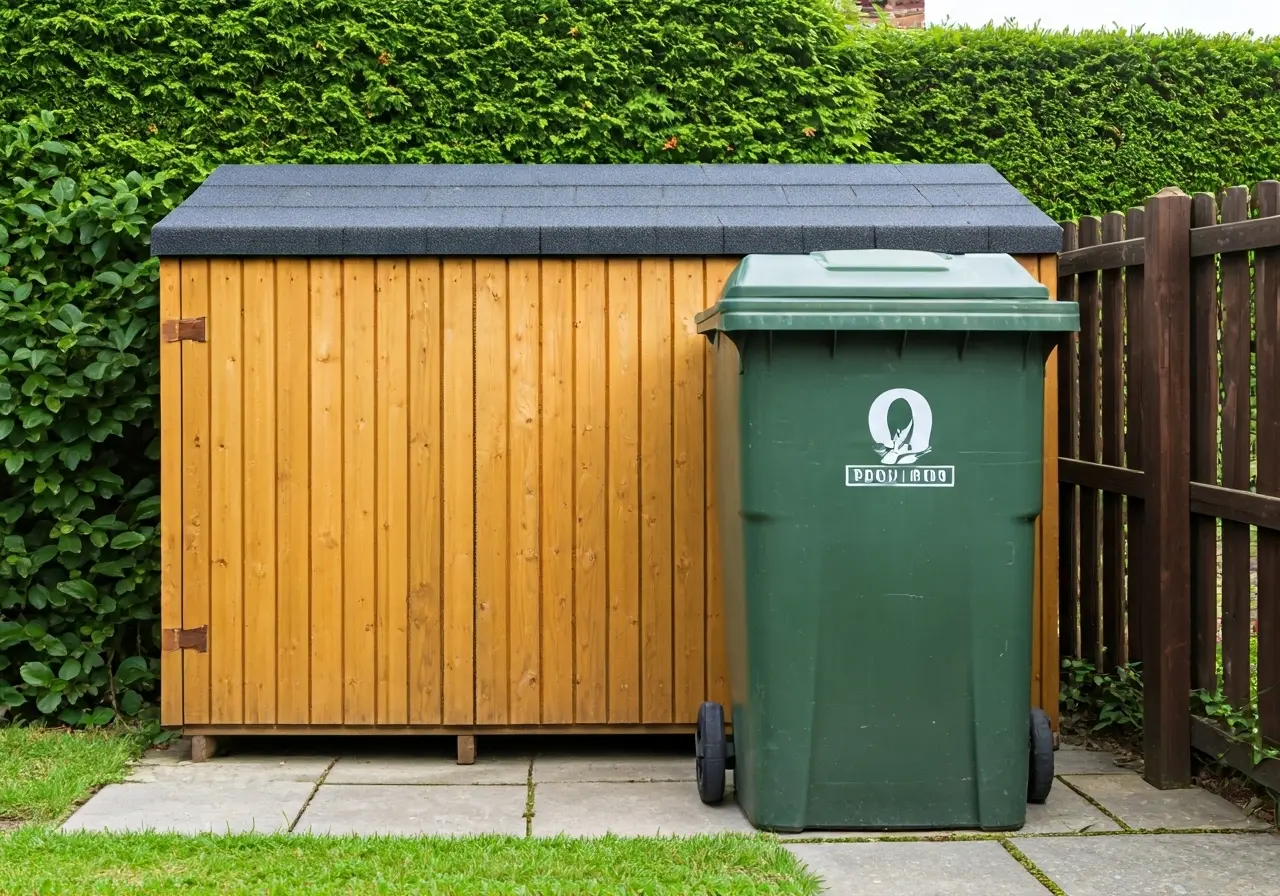
Step 1: Assess Your Space
Before diving into the design, take a good look at your available space. Measure the area where you plan to place your shed and consider accessibility, visibility, and how it fits into your overall landscape.
It’s essential to think about proximity as well. If the shed is too far from your home or the main pathway, it can become an inconvenience when you need to dispose of trash.
Examining your garden layout can inspire creative options. Perhaps a tucked-away corner could provide both convenience and a degree of privacy.
Don’t forget to account for the local climate. Areas prone to heavy winds, for instance, may require more stable placement to withstand the elements.
Step 2: Determine Size and Capacity
Decide how many trash cans you need to store and the size of the cans. This will help you determine the dimensions of your shed, ensuring it accommodates your needs without overwhelming your yard.
Keep in mind that larger families or households with more frequent gatherings might find it beneficial to design additional space for extra bins.
If you run a small home business or garden that produces a lot of waste, consider larger or multiple bins for practical waste management.
Step 3: Choose the Right Materials
Select materials that are durable, weather-resistant, and match your home’s style. Popular choices include wood, vinyl, or metal. Keep in mind maintenance requirements and how well the materials will withstand the elements.
Vinyl is an excellent option if you’re looking for low-maintenance and aesthetic appeal, while treated wood can blend beautifully with natural surroundings.
Metal sheds tend to offer superior durability but may require insulation for colder regions to mitigate condensation issues.
Consider the local environment when choosing your materials. For instance, in humid areas, materials like vinyl may prevent mold and decay effectively.
Step 4: Incorporate Ventilation and Accessibility
Proper ventilation is crucial to prevent odors and moisture buildup. Also, consider how you’ll access the trash cans; a front-facing door or lift-up lid can make retrieval easy, especially for larger cans.
Incorporating vents can significantly improve airflow, keeping your shed fresh and reducing unpleasant smells. Adding mesh screens can also help keep pests at bay.
Accessibility should be thought through as well. Ensure that children or anyone else in the household can comfortably use the shed while maintaining safety.
Step 5: Plan for Waste Management
Think about how you’ll handle waste management as part of your design. This might include designated spots for recycling, composting, or easy access to larger bins for yard waste, to make disposal efficient.
Establish areas specifically for recyclable materials versus regular trash; this organization will simplify your waste disposal efforts.
Encouraging composting can also be an eco-friendly addition. Designate a small area or bin inside your shed that makes it easy to separate organic waste.
Final Thoughts
By keeping these considerations in mind, you can create a custom trash can shed that meets your needs and enhances your outdoor space. Remember, the right design can make all the difference in convenience and style.