

What Makes Artisan Woodworking Different?
Artisan woodworking stands out in a world filled with mass-manufactured furniture. It embodies a unique blend of craftsmanship, creativity, and sustainability. Whether you’re a woodworking enthusiast or simply curious about handcrafted pieces, this guide will help you understand what sets artisan woodworking apart.
Definition of Artisan Woodworking
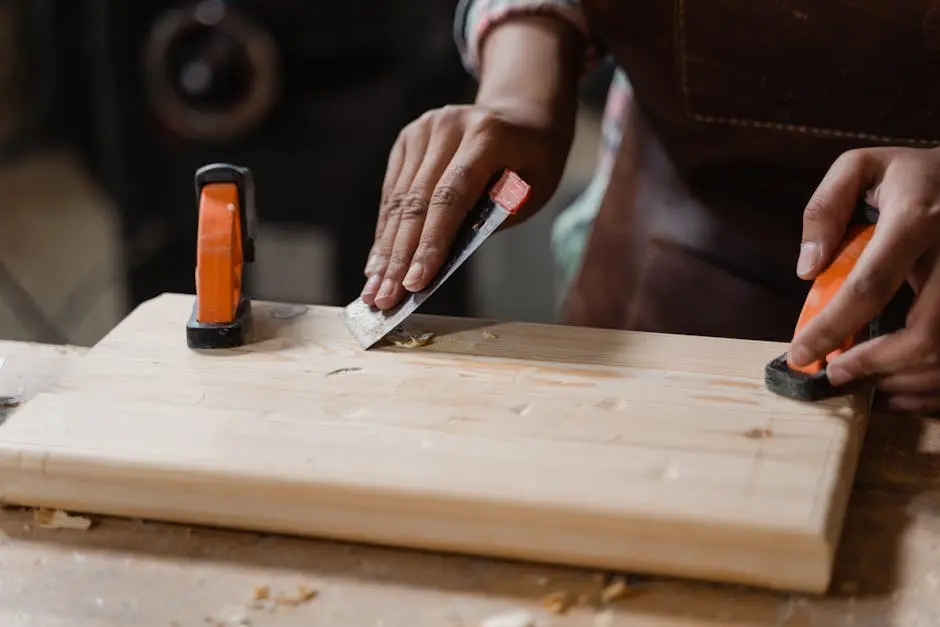
Artisan woodworking refers to the handcrafted creation of furniture and other wood products, where skilled artisans apply traditional techniques to produce unique and high-quality items.
At its core, artisan woodworking promotes a deep connection with craftsmanship. Each piece is a testament to the time, skill, and creativity of the artisan, resulting in work that is not merely functional, but also a work of art.
This distinction from mass production signals a shift in consumer values; buyers seek authentic, meaningful items that resonate with their personal aesthetics and values.
Craftsmanship and Skill
Artisan woodworkers often spend years honing their skills. This craftsmanship is reflected in their attention to detail and ability to create intricate designs that stand the test of time.
The artistry involved in this woodworking goes beyond a simple tool and wood relationship. It’s about embracing techniques that have been passed down through generations, ensuring not just beauty, but also functionality.
Additionally, artisan woodworkers tend to incorporate personal flair, making each piece distinctly theirs. This level of personalization means no two items are ever truly alike, which adds to their charm and appeal.
Materials and Sustainability
Unlike mass-produced furniture, artisan woodworkers prioritize quality materials, often sourced sustainably. This focus on environmentally-friendly practices contributes to the longevity of their pieces.
Artisanal wood pieces frequently utilize reclaimed or locally sourced woods, giving each item a story and a sense of place. This sustainable approach not only benefits the environment but also enhances the character of each creation.
By choosing sustainable practices, artisans ensure that their work doesn’t just last a lifetime—it also honors the planet. This is a crucial aspect that more consumers are considering when investing in handmade furniture.
Customization Options
One of the key aspects that make artisan woodworking unique is the ability to customize. Customers can work directly with artisans to create a piece that perfectly fits their style and needs.
This tailored approach allows individuals to reflect their personality through their furniture, whether it’s through specific wood choices, finishes, or design elements.
In contrast to factory-produced items, custom pieces often have a much deeper emotional significance, becoming cherished heirlooms or conversation starters within a home.
Cultural Significance
Artisan woodworking isn’t just about objects; it’s also about cultural heritage. Many artisans draw from their traditions, integrating cultural motifs and techniques into their work.
By embedding cultural elements, artisans tell stories through their creations, connecting past and present. Each chisel mark or finishing touch can reveal something about the artisan’s background and influence.
In this sense, owning an artisan piece is like holding a piece of history, intimately connected to local cultures and beliefs that transcend generations.
Investment Value
Artisan pieces often carry greater intrinsic value due to their rarity and quality. Investing in such work means owning a unique piece of art that can appreciate over time.
Unlike furniture from big-box stores, artisan creations are made with intention and care, leading to durable products that often become more valuable with age.
Furthermore, owning an artisan piece can foster a sense of pride, knowing you support local craftspeople and sustainable practices. This connection often leads to a greater appreciation of the product.
The Essence of Artisan Craftsmanship
In conclusion, artisan woodworking isn’t just about creating functional items; it’s a celebration of artistry, personal touch, and sustainable practices. By choosing artisan pieces, you invest in quality and support the craftspeople behind these exceptional creations. We hope this guide has shed light on the beautiful world of artisan woodworking.