

12 Essential Features to Consider When Choosing a Tiny Land Play Kitchen
Choosing the perfect tiny land play kitchen for your little chef can be a delightful yet intricate task. With so many options available, it’s essential to know what features will make the play experience both fun and educational. Whether you’re seeking safety, functionality, or just a spark of imagination, this guide will walk you through the essential features to consider.
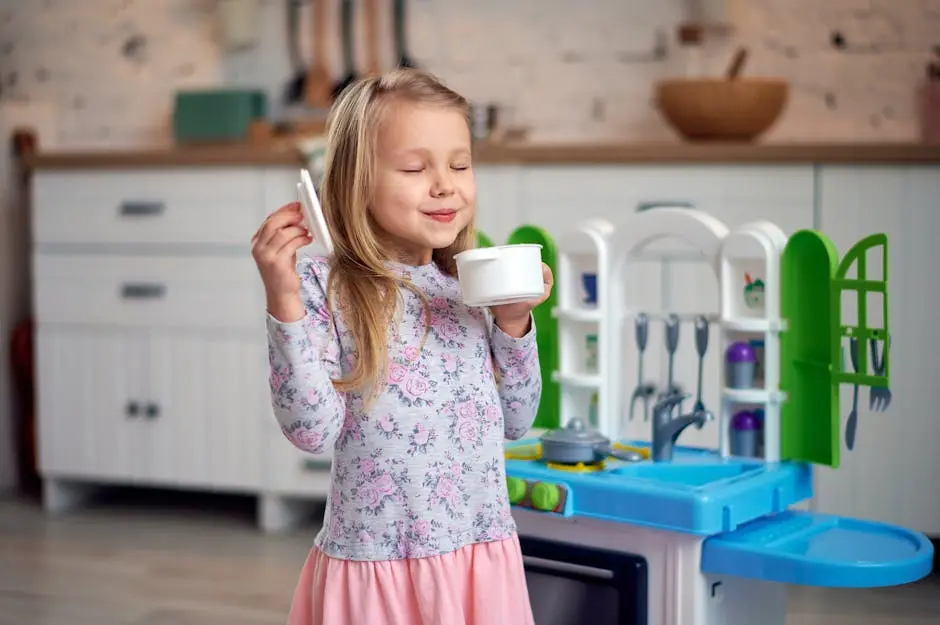
1. Safety First: Materials and Design Considerations
When selecting a tiny land play kitchen, prioritize safety. Look for non-toxic materials and rounded edges to keep playtime safe. This is not just about preventing accidents, but also ensuring that the items your child interacts with are free from harmful chemicals.
Ensuring your play kitchen is built from high-quality materials can offer peace of mind. Opt for products that pass safety testing, because knowing you have made a thoughtful choice can turn playtime into a better experience for both you and your child.
Additionally, check for certifications and labels that indicate adherence to safety standards. These are the markers of trust in the world of toys; every extra effort counts when it comes to creating a secure environment.
2. Size Matters: Finding the Perfect Fit
Consider the available space in your home. A play kitchen should fit well in your child’s play area without overwhelming it. Take a moment to measure the designated area where the kitchen will reside; this ensures that your choice fits into the space seamlessly.
Having a tiny land play kitchen that’s appropriately sized allows for better imaginative play. Too big, and your child may feel lost; too small and they might be frustrated by a lack of features. Balance is key!
Stackable items can create layers of fun. Think about not just the width and height of the kitchen, but also how it integrates with existing furniture and toys, forming an engaging play environment.
3. Interactive Features: Engaging Play Elements
Look for kitchens that offer interactive elements like knobs that turn or doors that open, as these features enhance the play experience. Interactive features not only stimulate a child’s motor skills but also encourage imaginative scenarios and role-playing adventures.
You might also consider features like a removable sink for cleaning up imaginary messes or even sound effects that mimic cooking sounds. These small details can elevate simple play into unforgettable experiences.
4. Storage Solutions: Keeping Things Organized
A good play kitchen should provide ample storage to keep cooking tools and pretend food organized and accessible. Look for cabinets or shelves that allow your child to learn about organization while they play.
In addition, having compartments for different items can instill a sense of responsibility in your child. Playing with a tidy kitchen teaches valuable lessons about cleaning up and putting things back in their place.
5. Realistic Accessories: Enhancing the Play Experience
Include realistic accessories such as pots, pans, and utensils to promote imaginative and creative cooking scenarios. A well-equipped kitchen encourages role-playing and storytelling, significantly enriching your child’s playtime.
Think about items like play fruits and vegetables that add an educational twist. The more realistic the accessories, the better; they not only enhance the experience but also provide teaching moments about nutrition and food.
6. Sturdiness: Building for Longevity
Choose a kitchen that promises durability. A sturdy construction is key to withstand years of enthusiastic play. Invest in a structure that can handle the rigors of daily use; this is essential when you know more than one child will engage in the fun.
Look closely at the joints and materials used; reinforced joints and quality wood or plastic will ensure that the kitchen can endure rough handling. After all, durability will save you money in the long run.
7. Easy to Assemble: Hassle-Free Setup
Look for play kitchens that are easy to assemble, so you can start the fun without a complicated setup process. Complicated instructions can lead to frustration for parents and, naturally, disappointment for little chefs.
Choose kitchens that come with tools included or minimal assembly required. This can make the process a breeze and allow you to focus on what matters most – enjoying playtime with your child!
8. Color and Aesthetics: Brightening Up the Space
Choose a color scheme and design that not only appeals to your child but also complements your home decor. A kitchen that blends in well with your living space can serve as a delightful addition rather than an eyesore.
Consider different colors and patterns that inspire creativity. Engaging colors can excite your child, sparking their imagination as they cook and create.
9. Thematic Options: Matching Your Child’s Interests
From classic designs to modern styles, there’s a variety of themes available that can match your child’s personal interests. Whether they love cooking shows or have a favorite food, there’s sure to be a kitchen that resonates with their passions.
Selecting a theme that aligns with your child’s unique character can create a more engaging playtime. After all, when little ones see their interests reflected in their toys, it fosters greater imaginative play.
10. Educational Value: Learning Through Play
Consider kitchens that offer educational components, teaching your child about food, nutrition, and cooking basics. These features not only add fun but can provide foundational lessons that last a lifetime.
Learning about different food groups or the importance of balancing a diet can be effortlessly integrated into play. This makes the kitchen not just an avenue for creativity, but a teaching tool as well.
11. Portability: Move It Anywhere
A lightweight kitchen provides flexibility, allowing you to easily move it around for different play scenarios. The ability to relocate the kitchen can keep play fresh and exciting.
Think about designs that include wheels or foldable features for ultimate convenience. This can help maximize playtime, letting little chefs explore various settings for their culinary adventures.
12. Customizable Features: Personal Touch
Pick a kitchen that allows for some customization, like stickers or additional accessories, to let your child personalize their space. When children can express themselves through personalization, it enhances their connection to the play kitchen.
Encourage your child to decorate their kitchen and make it truly their own. Personal touches not only foster a sense of ownership but also allow creativity to flourish during play.