

Joinery, Grain, and Finish: The Craftsmanship That Defines Bespoke Furniture and Millwork
Joinery, Grain, and Finish: The Craftsmanship That Defines Bespoke Furniture and Millwork
Bespoke furniture is more than wood shaped and joined—it’s a story told through grain, precision joinery, and finishes that invite touch. When you choose custom millwork crafted with care, you invite heirloom quality into your home. Let’s explore the hallmark techniques—from mortise and tenon joinery to hand-rubbed finishes—that define craftsmanship you can trust and cherish. Book a private design consultation today to bring your vision to life with The Carpentry Shop Co.
The Art of Joinery
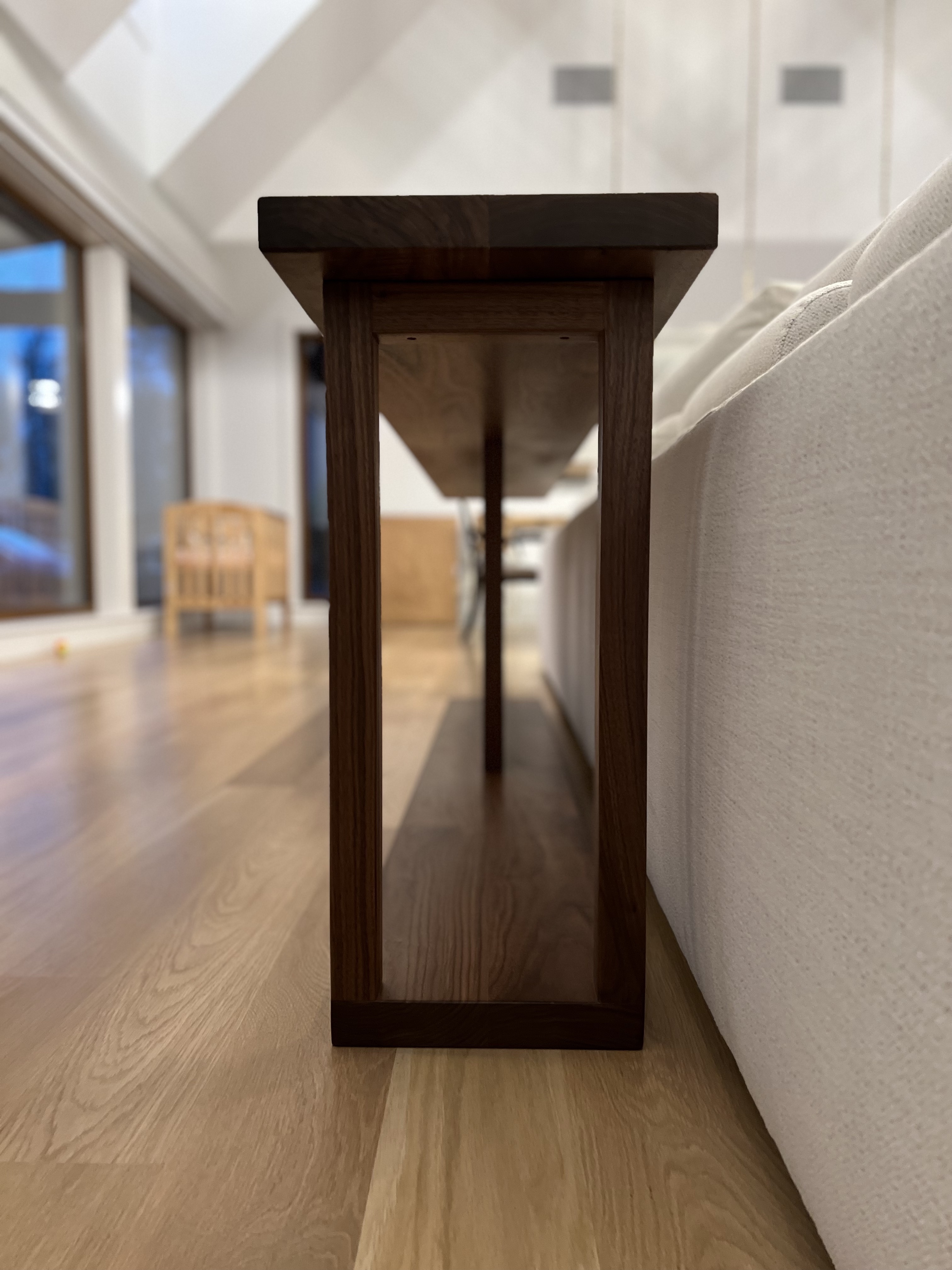
Joinery is where the magic begins. It’s the backbone of every piece, making it strong and durable. Let's delve into two techniques that stand the test of time.
Mortise and Tenon Mastery
Imagine a joint that fits like a puzzle, snug and secure. That’s the magic of mortise and tenon joinery. It’s not just about holding pieces together; it’s about creating a bond that lasts. This method has been used for centuries, proving its reliability time and again.
You might wonder, why not just use nails? Well, nails can loosen over time, but a well-crafted mortise and tenon joint won’t. It’s like having a secret handshake between pieces of wood—unseen but strong. Craftsmen take pride in perfecting this technique, ensuring your bespoke furniture holds stories as well as it holds itself together.
Picture a grand dining table, where every meal creates memories. That table stands firm because of these joints. So, when you choose pieces crafted with this technique, you’re choosing integrity and strength that lasts.
Dovetail Joinery Techniques
Now, let's talk about dovetail joinery. It’s like the jewelry of woodworking. Not only is it functional, but it’s also beautiful. This technique is visible, showcasing the skill and care put into each piece.
The dovetail joint isn't just for aesthetics; it’s incredibly strong. It interlocks, making it nearly impossible to pull apart. Imagine a drawer, one you open daily, filled with your cherished items. The dovetail joints ensure it opens smoothly today and for years to come.
Craftsmen use this technique to add elegance to functional pieces. It’s a nod to tradition and a testament to the artisan’s skill. Each piece crafted with dovetail joinery becomes a conversation starter, a piece of art in your home.
Grain Selection and Veneering
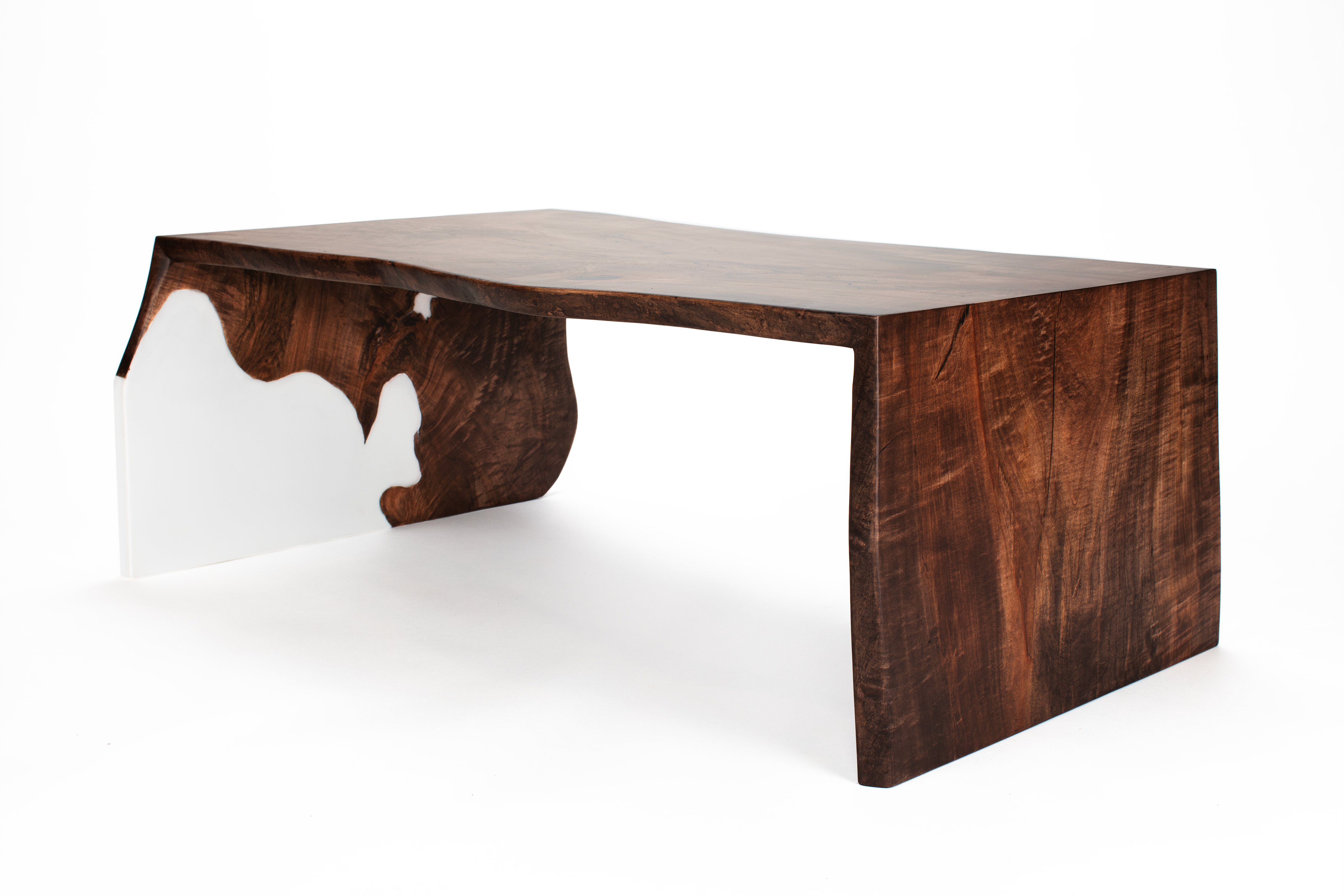
Moving from joinery, let's explore how the grain of wood can transform furniture into a masterpiece. The choice of grain and veneer defines the character of each piece.
Bookmatched Veneer Aesthetics
Bookmatching is like creating a mirror image with wood. It involves slicing a piece of wood and opening it up like a book to reveal symmetrical patterns. This technique is a favorite for creating stunning visual effects.
Imagine a tabletop with a pattern that seems to flow effortlessly across its surface. That’s the beauty of bookmatched veneer. It’s not just about looks; it’s about celebrating the natural beauty of wood. This technique allows you to bring nature’s art into your home, making each piece unique.
When you choose a piece with bookmatched veneer, you're choosing sophistication. It’s like having a piece of art that’s one-of-a-kind, crafted just for you.
Quarter-Sawn Oak Elegance
Quarter-sawn oak is a choice that combines beauty with durability. This cutting method highlights the wood’s natural rays, giving it a striking appearance. It’s not just about looks; it’s about ensuring longevity.
Imagine a piece that not only looks beautiful but also resists warping over time. That’s what quarter-sawn oak offers. It’s perfect for furniture that faces daily use, like a family dining table or a kitchen island.
Choosing quarter-sawn oak means choosing elegance and practicality. It’s a choice that reflects a commitment to quality and a love for timeless design. Your furniture becomes a legacy piece, ready to be cherished by generations.
Finishing Touches
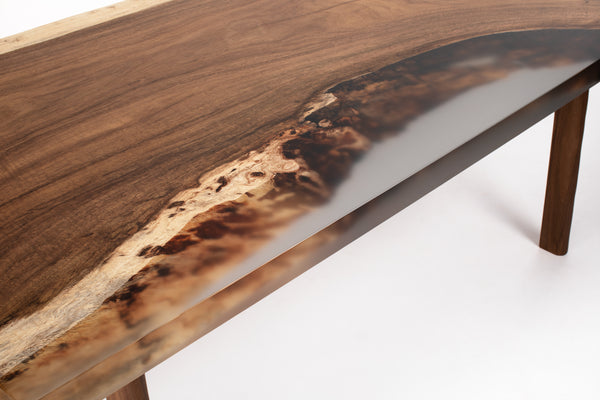
After selecting the perfect grain and joinery, the finishing touches make each piece sing. Let’s explore how finishes not only protect but also enhance the beauty of your furniture.
Hand-Rubbed Finish Perfection
A hand-rubbed finish is a labor of love. It’s about taking time to bring out the natural beauty of the wood. This finish is about touch, about feeling the grain beneath your fingers.
Imagine a surface so smooth it invites you to run your hand across it. That’s the result of a hand-rubbed finish. It enhances the wood’s natural luster without overpowering it.
This finish is perfect for those who appreciate subtlety and elegance. It’s a testament to craftsmanship, where every piece is finished with care and attention. When you choose this finish, you’re choosing to highlight the beauty inherent in the wood itself.
Hardwax Oil and French Polish Techniques
Hardwax oil and French polish are two techniques that offer different benefits. Hardwax oil penetrates the wood, providing protection while maintaining a natural look. It’s perfect for pieces that need to withstand daily use.
French polish, on the other hand, is about gloss and depth. It’s a technique that requires skill, creating a high-gloss finish that’s both beautiful and delicate. This finish is often used on pieces that serve as focal points in a room.
Choosing the right finish is about understanding how you’ll use your furniture. Whether it’s the practicality of hardwax oil or the elegance of French polish, each finish adds its own layer of beauty and protection.
In choosing these techniques, you’re choosing to invest in pieces that not only serve your needs but also enrich your home with their beauty and craftsmanship.
Discover how our bespoke approach sets us apart and benefits your project.