

Beyond the Blueprint: Advanced Design Strategies in Custom Furniture Making
Beyond the Blueprint
What Actually Makes Custom Furniture Different
A lot of people think custom furniture just means “you pick the size.”
It’s so much more than that.
Real custom work isn’t about changing dimensions on a template. It’s about understanding how materials behave, how proportions affect a room, and how something will live in your home 10, 20, 30 years from now.
That’s the difference between something that looks custom and something that truly feels built for you.
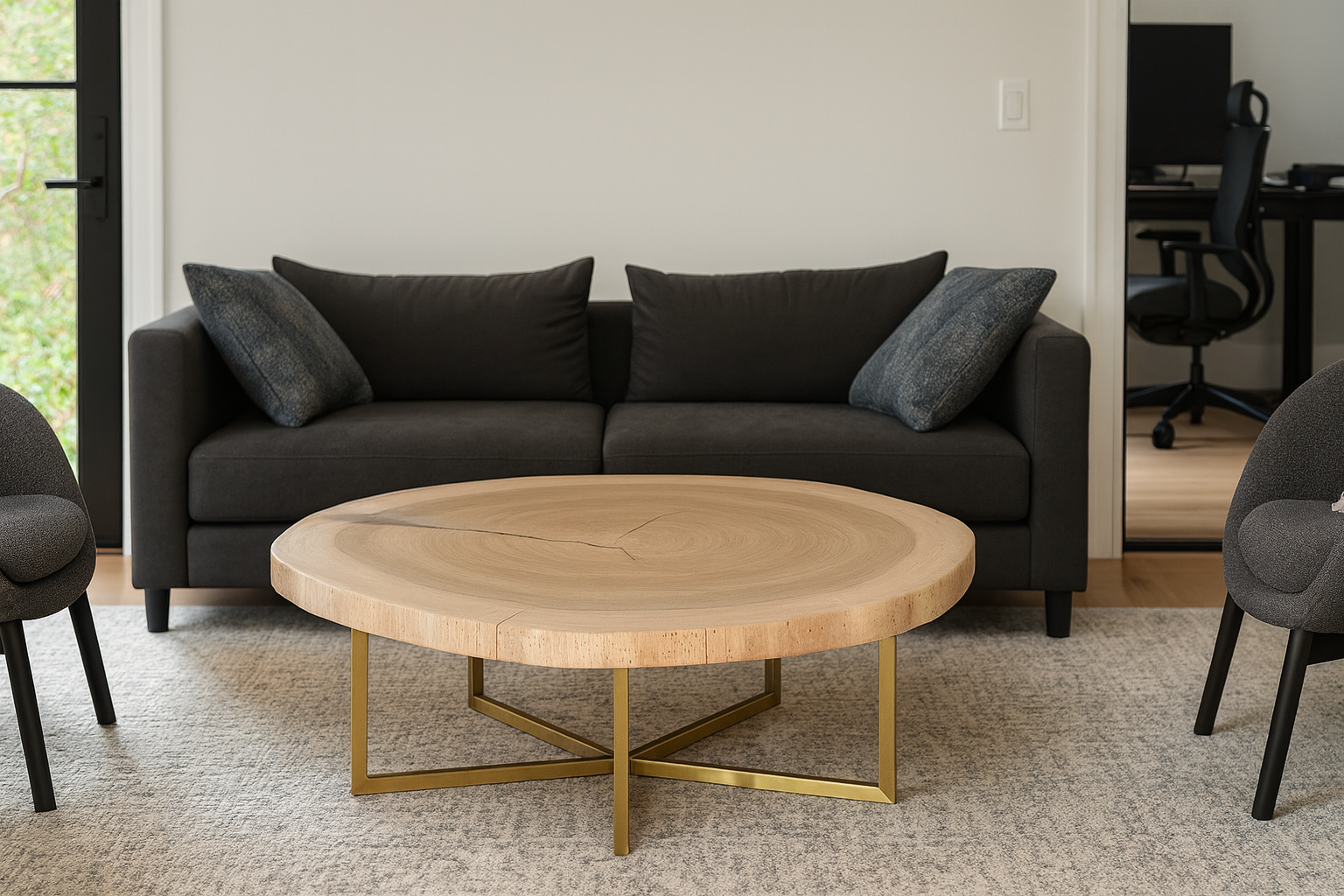
It Starts With Understanding the Material
Wood isn’t static. It moves. It reacts to humidity. It expands and contracts with the seasons.
So when we design a piece, we’re not just thinking about what looks good on install day. We’re thinking about how it will perform over time.
Walnut brings warmth and depth. Rift white oak gives you clean, consistent grain. Maple offers strength and subtle character.
Choosing the right species isn’t just aesthetic — it’s structural and long-term.
That’s what I mean when I talk about material intelligence. It’s knowing how wood behaves — and building accordingly.
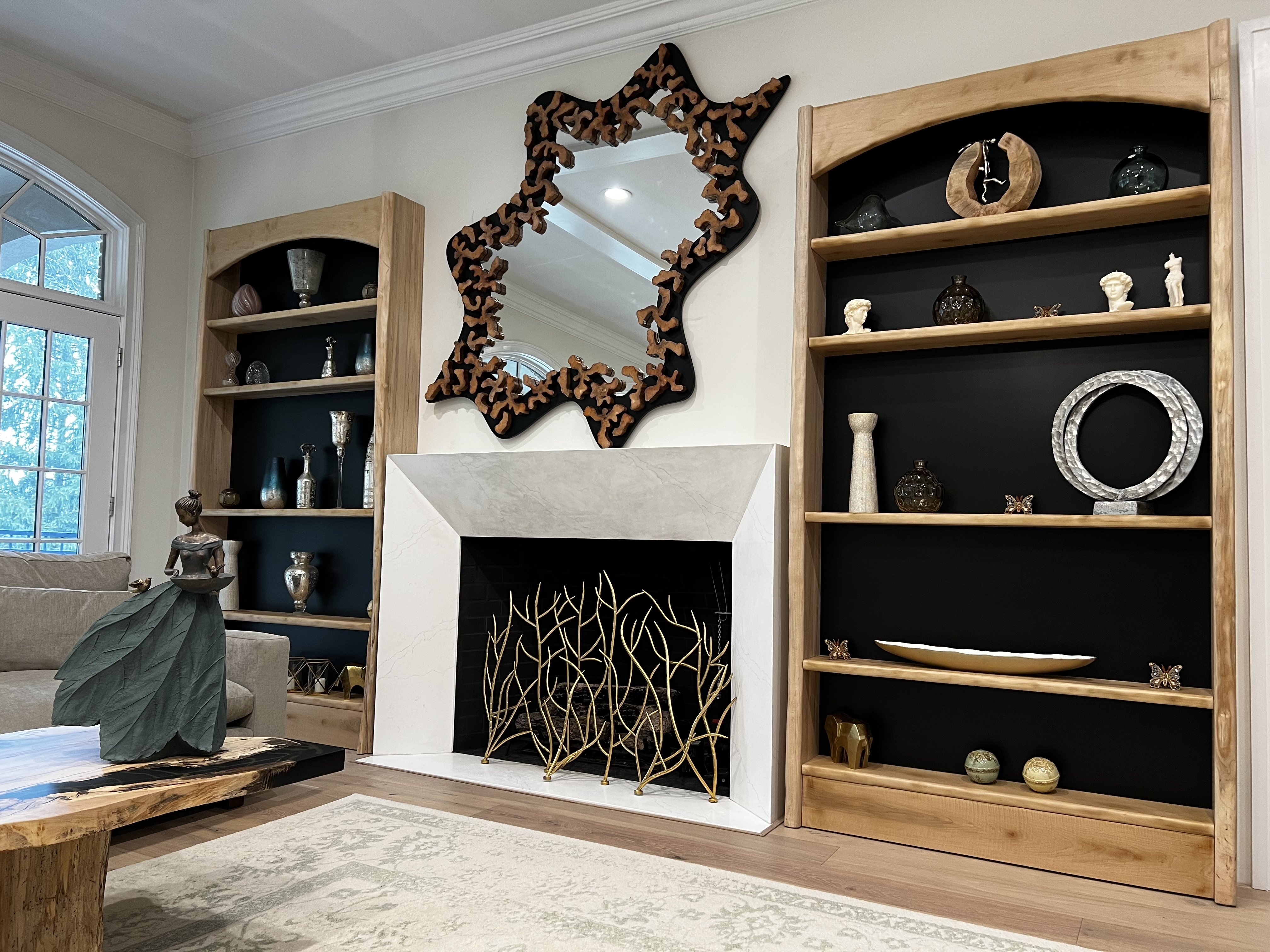
Joinery Is Where the Strength Lives
You can’t see good joinery from across the room — but you feel it over time.
Drawers that don’t loosen.
Tables that don’t wobble.
Doors that stay aligned.
We use time-tested joinery methods like dovetails and mortise-and-tenon construction because they work. Not because they’re trendy — but because they’ve proven themselves for centuries.
When something is built properly at the joint level, it lasts. Period.
Proportion Changes Everything
Have you ever walked into a room and something just felt… off?
Often it’s proportion.
A table too small for the ceiling height.
Shelving that doesn’t relate to the wall.
Cabinetry that ignores architectural lines.
Custom furniture allows us to scale pieces to your actual space — ceiling height, window placement, trim details, traffic flow.
That’s when a piece stops feeling added — and starts feeling original to the home.
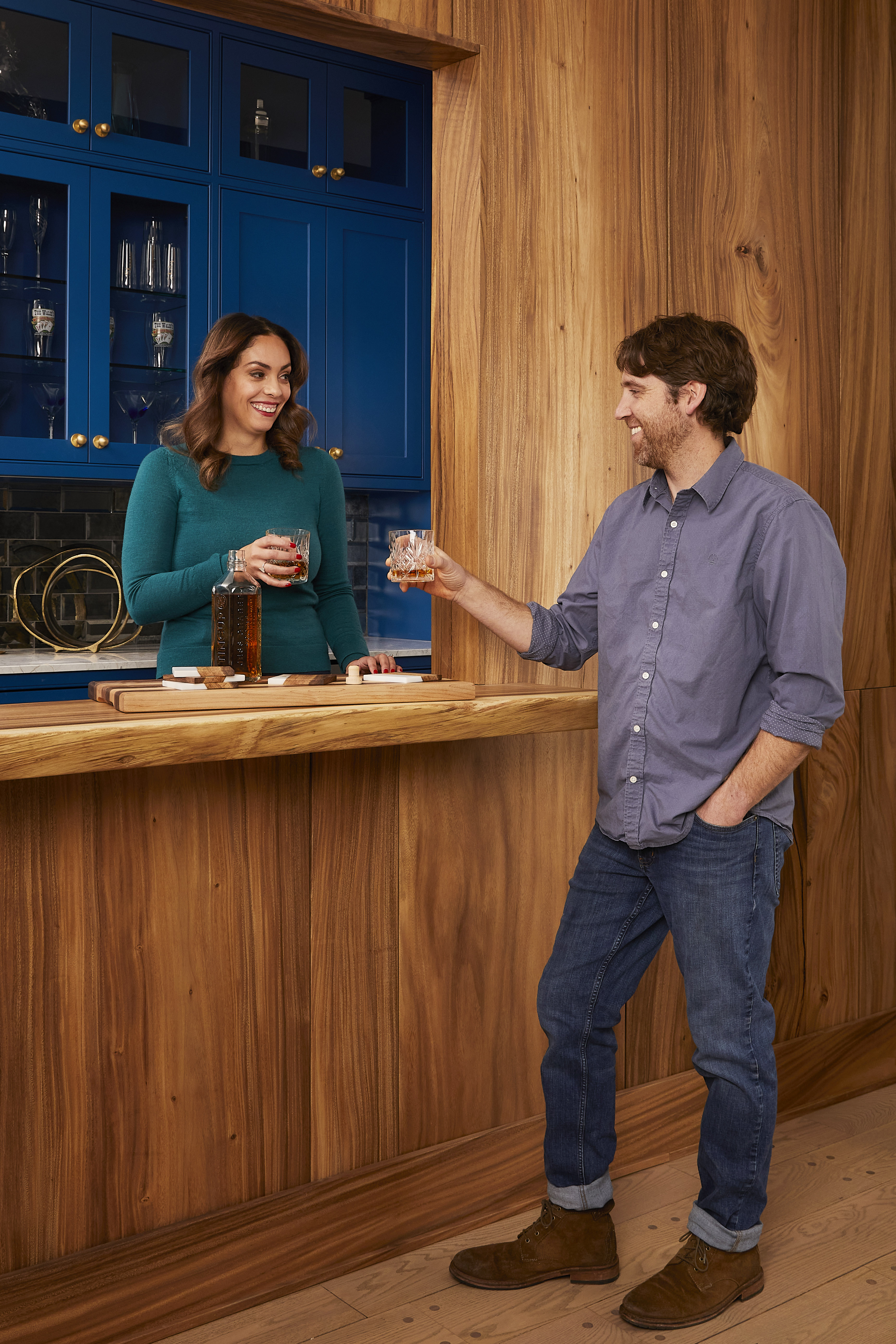
Sustainability Isn’t a Buzzword Here
We primarily use domestic hardwoods because they’re strong, beautiful, and responsibly sourced.
But sustainability also means building things that don’t need to be replaced.
The most eco-conscious piece of furniture is the one you keep for decades.
When we talk about heirloom quality, we mean:
Structurally sound
Repairable
Refinishable
Designed beyond trends
Furniture should age well — not expire.
Finishes Matter More Than You Think
A finish isn’t just color.
It’s protection.
It’s feel.
It’s how the wood interacts with light.
We use performance finishes that protect against daily wear while still allowing the grain to show through. The goal is durability without losing the soul of the material.
A good finish should make the wood better — not hide it.
This Is a Collaborative Process
Custom furniture isn’t a transaction. It’s a conversation.
We start with how you live.
How you use the space.
What you want it to feel like.
We create drawings. We refine. We adjust proportions. We review materials and finishes together.
And if architects or designers are involved, we collaborate closely so everything integrates seamlessly.
You’re part of the process from the first sketch to final install.
Why This Matters
In a world of fast furniture and overnight shipping, custom work is slower — intentionally.
It requires thought.
Engineering.
Craftsmanship.
But when it’s done right, it changes how a space feels.
It becomes part of your home’s architecture.
Part of your daily routine.
Part of your family’s story.
If you’re thinking about a custom piece — whether it’s a dining table, built-ins, or a full room of millwork — let’s talk.
We’ll start with a conversation and build something that’s not just beautiful on day one, but strong for decades.
Let’s build it right.
— Natalie